
Physical Therapy for Knee Pain in Brookhaven & Atlanta
Our clinic is in Brookhaven, and we treat knee pain for patients across the Atlanta area: runners, lifters, and people working back from an ACL repair or knee replacement. Every session is a full hour, one-on-one with a doctor of physical therapy. Call (404) 585-8834 to get started.
How can I recognize if the pain I feel is knee pain?
Our physical therapists at Glackin Physiotherapy examine your knee to determine the root cause. We also assess your ankle and hip alongside due to their interconnectedness.
Common knee pain sensations:
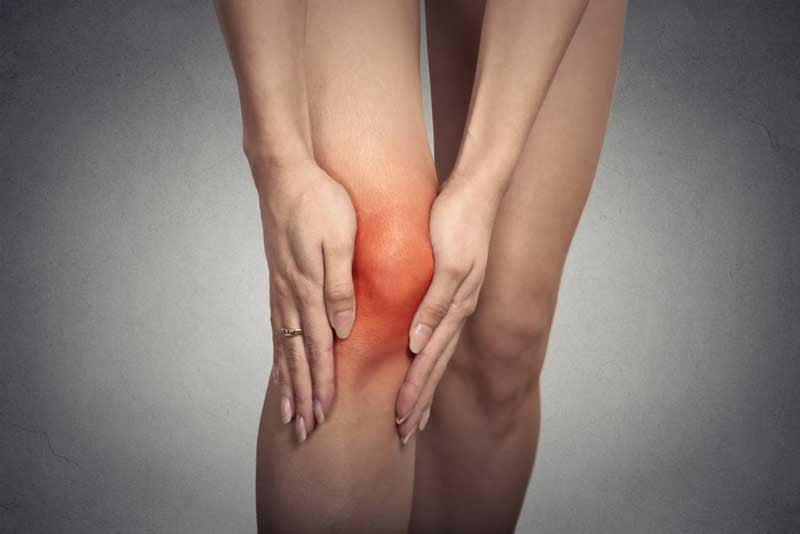
- Knee pain in the front, back, sides, or around the kneecap
- Swelling around the knee joint is common with many knee conditions
- Clicking or Popping when moving the knee
- Instability: Some individuals may feel like their knee is giving way or unstable, especially during weight-bearing activities. This sensation can be due to ligament injuries or other structural issues.
Common Knee Conditions seen in Physical Therapy
People can experience knee pain for a variety of reasons. Some common conditions we see at Glackin Physiotherapy include, but are not limited to:
- Knee Osteoarthritis (OA)
- Patellofemoral Pain Syndrome (PFPS)
- Anterior Cruciate Ligament (ACL) Injury (Pre- and Post-Operative)
- Posterior Cruciate Ligament (PCL) Injury
- Meniscal Tears
- Iliotibial Band Syndrome (ITBS)
- Patellar Tendonitis (Jumper's Knee)
- Patellar Tendinopathy (Tendinosis)
- Bursitis
- Quadriceps Tendonitis
- Iliopsoas Tendonitis
- Knee Ligament Sprains
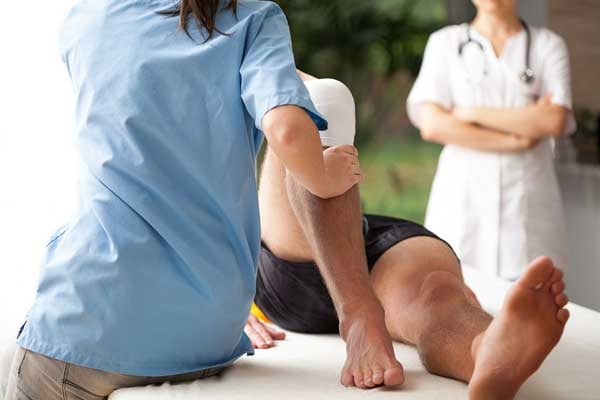
Manual Therapy
Relieves knee pain by improving joint mechanics and reducing muscle tension through techniques like joint mobilizations and soft tissue work.

Exercise Instruction
To assist in preserving and enhancing the strength and flexibility of your internal/External Structures.
Unique Education
Educate patients on proper biomechanics, movement patterns, and self-management strategies to prevent recurrence
Frequently Asked Questions About Physical Therapy for Knee Pain
Physical therapy can help patients with many knee-related problems, including knee osteoarthritis, patellofemoral pain syndrome, ACL injuries, PCL injuries, meniscal tears, iliotibial band syndrome, patellar tendonitis, patellar tendinopathy, bursitis, quadriceps tendonitis, iliopsoas tendonitis, and knee ligament sprains. Treatment is designed to reduce pain, improve strength and mobility, restore stability, and help patients return to walking, exercise, sport, and daily activity.
Yes. Physical therapy can help patients with knee osteoarthritis by improving joint mobility, strengthening the muscles around the knee and hip, reducing stiffness, and improving walking, stair climbing, and daily function. Treatment may include manual therapy, strengthening exercises, mobility work, balance training, and activity modification.
Yes. Patellofemoral pain syndrome, sometimes called runner’s knee, often causes pain around or behind the kneecap. Physical therapy may focus on hip strength, quadriceps strength, knee tracking, foot and ankle mechanics, mobility, and movement patterns that affect how stress is placed on the kneecap.
Yes. Physical therapy is commonly used both before and after ACL surgery. Pre-operative physical therapy can help restore motion, reduce swelling, and improve strength before surgery. Post-operative physical therapy focuses on restoring range of motion, rebuilding strength, improving balance and control, and gradually returning to running, jumping, cutting, and sport-specific activity.
Yes. Physical therapy can help patients with posterior cruciate ligament injuries by improving knee stability, strengthening the quadriceps and surrounding muscles, restoring range of motion, and helping the patient return safely to activity. The treatment plan depends on the severity of the injury and whether surgery is required.
Physical therapy can often help patients with meniscal tears, especially when symptoms include knee pain, swelling, stiffness, clicking, catching, or difficulty with squatting and twisting. Treatment may include mobility work, strengthening, swelling management, balance training, and gradual return to activity.
Yes. Iliotibial band syndrome, or ITBS, is a common cause of pain on the outside of the knee, especially in runners and active individuals. Physical therapy may focus on hip strength, load management, mobility, running mechanics, and reducing irritation caused by repetitive stress.
Yes. Patellar tendonitis, often called jumper’s knee, can cause pain at the front of the knee near the patellar tendon. Physical therapy typically focuses on progressive tendon loading, quadriceps and hip strengthening, mobility, landing mechanics, and a gradual return to jumping, running, squatting, or sport.
Yes. Patellar tendinopathy, sometimes described as tendinosis, is often related to repeated loading of the patellar tendon. Physical therapy can help by using progressive strengthening and tendon-loading exercises to improve the tendon’s ability to tolerate activity over time.
Yes. Knee bursitis can cause swelling, tenderness, and pain around the knee. Physical therapy may help reduce irritation by improving mobility, addressing muscle tightness or weakness, modifying aggravating activities, and gradually restoring comfortable movement.
Yes. Quadriceps tendonitis can cause pain above the kneecap, especially with squatting, stairs, running, jumping, or resisted knee extension. Physical therapy may include progressive strengthening, mobility work, soft tissue treatment, and training modifications to reduce stress on the irritated tendon.
Yes. Iliopsoas tendonitis is more commonly associated with front hip pain, but hip mobility and hip flexor irritation can influence movement patterns at the knee. Physical therapy may address hip mobility, hip flexor strength, core control, pelvic mechanics, and lower-extremity movement patterns.
Yes. Physical therapy can help with knee ligament sprains by reducing pain and swelling, restoring motion, improving strength, and rebuilding balance and stability. Treatment may vary depending on whether the sprain involves the ACL, PCL, MCL, LCL, or another supporting structure of the knee.
You should consider physical therapy if knee pain is limiting your walking, stairs, exercise, squatting, running, or daily activities. You should also seek help if you notice swelling, clicking, popping, instability, giving way, stiffness, or pain that does not improve with rest.
Physical therapy for knee pain may include manual therapy, dry needling, joint mobilizations, soft tissue treatment, strength training, mobility exercises, balance work, movement retraining, and education on proper biomechanics. At Glackin Physiotherapy, treatment is individualized based on your symptoms, diagnosis, activity level, and goals.
Don't let knee pain hold you back any longer
Take control of your mobility and well-being with tailored physical therapy. Contact us now to start your journey to a stronger, pain-free knee!
Customer Feedback

Knee Replacement Patient
Annette N
I saw Dr Glackin after my knee replacement. He explained everything he did and why. He was cautious of my pain level and gently pushed me a closer to goal. I swear he is a miracle worker!
Knee Replacement Patient
Karen K
This is my 3rd experience with Glackin Physiotherapy (2 knee replacements and Vertigo). Dr. Selby does a great job making each session enjoyable. PT is often difficult, and her fun attitude helps distract from the discomfort of treatment. Her cupping technique always ends with greater mobility for several days after, which makes the required exercises easier to do.
Knee Pain Patient
Chris T