
Physical Therapy for Shoulder Pain in Brookhaven & Atlanta
Our clinic is in Brookhaven, and we treat shoulder pain for patients across the Atlanta area: rotator cuff injuries, impingement, frozen shoulder, and recovery after shoulder surgery. Every session is a full hour, one-on-one with a doctor of physical therapy. Call (404) 585-8834 to get started.
Common Shoulder Conditions Seen in Physical Therapy
People can experience Shoulder pain for a variety of reasons. Some common conditions we see at Glackin Physiotherapy include, but are not limited to:
-
- Rotator cuff injuries (such as tears or strains)
- Shoulder impingement syndrome
- Frozen shoulder (adhesive capsulitis)
- Shoulder bursitis
- Shoulder instability (such as dislocations or subluxations)
- Shoulder arthritis (osteoarthritis or rheumatoid arthritis)
- Biceps tendonitis
- Acromioclavicular (AC) joint injuries
- Labral tears
- Postural or muscular imbalances leading to shoulder pain
Shoulder Pain Unveiled: Understanding Symptoms
Our physical therapists at Glackin Physiotherapy carefully evaluate your shoulder to pinpoint the underlying issue. We understand the complexity of shoulder pain and its interconnectedness with adjacent areas like the neck and upper back.
Usual symptoms of shoulder pain:
- Dull ache or pressure in the shoulder area
- Sharp or stabbing pain with movement
- Burning or tingling sensations in the neck, shoulder or upper back
- Feeling of heaviness or tightness in the shoulder muscles
- Tenderness or soreness upon touch around the shoulder joint
- Persistent discomfort during activities such as lifting, reaching, or sleeping
.jpg?width=1500&height=1100&name=Untitled%20(1500%20%C3%97%201100%20px).jpg "A physical therapist working on a patient's shoulder")
Manual Therapy
Manual therapy techniques, such as massage and manipulation, can alleviate shoulder pain by releasing tension, improving flexibility, and promoting better joint mobility.
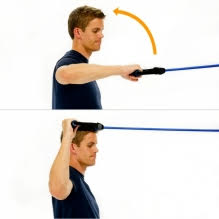
Fitness Guidance
Fitness guidance offers targeted exercises and stretches to strengthen shoulder muscles, improve posture, and enhance stability, aiding in the alleviation of shoulder pain and promoting safe rehabilitation.

Unique Education
Unique physical therapist education enables tailored diagnosis and treatment of shoulder injuries, using innovative approaches to promote efficient healing and restore function effectively.
Recognize and Address Shoulder Pain: Don't Delay!
Shoulder pain can significantly disrupt daily activities and diminish quality of life. At Glackin Physiotherapy, our experienced doctors specialize in diagnosing and treating shoulder ailments, ensuring personalized care to alleviate discomfort and restore optimal function.
Frequently Asked Questions About Physical Therapy for Shoulder Pain
Yes. Physical therapy can help shoulder pain by identifying mobility restrictions, strength deficits, joint irritation, tendon involvement, posture-related stress, or movement habits that may be contributing to symptoms. At Glackin Physiotherapy, shoulder pain treatment is provided one-on-one and may include manual therapy, strengthening, mobility work, education, and a gradual return to activity.
Shoulder pain may be caused by rotator cuff injuries, shoulder impingement, frozen shoulder, bursitis, shoulder instability, arthritis, biceps tendonitis, AC joint injuries, labral tears, or postural and muscular imbalances. A physical therapy evaluation can help determine which structures and movement patterns may be contributing to the pain.
You should consider physical therapy if shoulder pain limits lifting, reaching, sleeping, exercise, sports, work tasks, or daily activities. Physical therapy may also be helpful if you notice stiffness, weakness, clicking, instability, pain with overhead movement, or discomfort that does not improve with rest.
Yes. Physical therapy can often help rotator cuff-related shoulder pain by improving shoulder strength, mobility, tendon loading tolerance, posture, and movement mechanics. At Glackin Physiotherapy, treatment may include hands-on care, progressive strengthening, mobility exercises, and education to help restore comfortable shoulder function.
Yes. Shoulder impingement symptoms may improve when treatment addresses shoulder mobility, rotator cuff strength, shoulder blade control, posture, and activity modification. Physical therapy can help identify why certain movements are painful and guide a gradual return to reaching, lifting, exercise, or sport.
Yes. Frozen shoulder, also known as adhesive capsulitis, can cause significant stiffness and limited range of motion. Physical therapy can help improve shoulder mobility, reduce movement fear, maintain strength, and guide activity modifications. At Glackin Physiotherapy, treatment is tailored to the stage of the condition and the patient’s functional goals.
Shoulder pain with overhead reaching may be related to rotator cuff irritation, shoulder impingement, stiffness, instability, weakness, posture, or how the shoulder blade moves. A physical therapist can assess shoulder range of motion, strength, joint mobility, and movement mechanics to determine what may be contributing to the pain.
Yes. Shoulder pain can sometimes be influenced by the neck, upper back, ribs, posture, or nerve irritation. Symptoms such as burning, tingling, heaviness, or pain that travels from the neck into the shoulder may require evaluation beyond the shoulder joint itself. Glackin Physiotherapy evaluates the shoulder along with the neck and upper back to better understand the source of symptoms.
Physical therapy for shoulder pain may include manual therapy, shoulder and upper back mobility exercises, rotator cuff strengthening, shoulder blade stability training, posture education, activity modification, and a progressive return-to-activity plan. Glackin Physiotherapy uses a one-on-one approach so treatment can be tailored to each patient’s condition, symptoms, and goals.
Recovery time depends on the cause of the shoulder pain, how long symptoms have been present, activity demands, mobility, strength, and the severity of the condition. Some patients improve quickly, while conditions such as frozen shoulder, tendon injuries, instability, or post-surgical cases may require a longer progression. A physical therapist can provide a more specific timeline after an evaluation.