
Physical Therapy For Hip Pain
How Do I Know If My Pain is Related To Hip Pain?
Be vigilant for indicators such as chronic hip pain, discomfort during movement, pain at rest, and even radiating pain into the back or knee. At Glackin Physiotherapy, our doctors are well-equipped to assess your symptoms and develop an effective treatment plan tailored to your specific needs.
Hip issues manifests with symptoms such as...
- Groin pain or discomfort
- Pain in the front of the hip or deep in the buttock
- Pain that worsens with prolonged sitting, walking, or activity
- Limited range of motion in the hip joint
- Clicking, popping, or catching sensations in the hip
- Pain that radiates to the thigh or knee
- Stiffness or difficulty moving the hip, especially in certain positions
Common Hip Conditions seen in Physical Therapy:
People can experience hip impingement for various reasons. Some common conditions we address at Glackin Physiotherapy include, but are not limited to:
- Femoroacetabular impingement (FAI)
- Labral tears
- Hip dysplasia
- Snapping hip syndrome
- Piriformis syndrome
- Gluteal tendinopathy
- Trochanteric bursitis
- Hip osteoarthritis
How can Physical Therapy Help With Hip Pain?
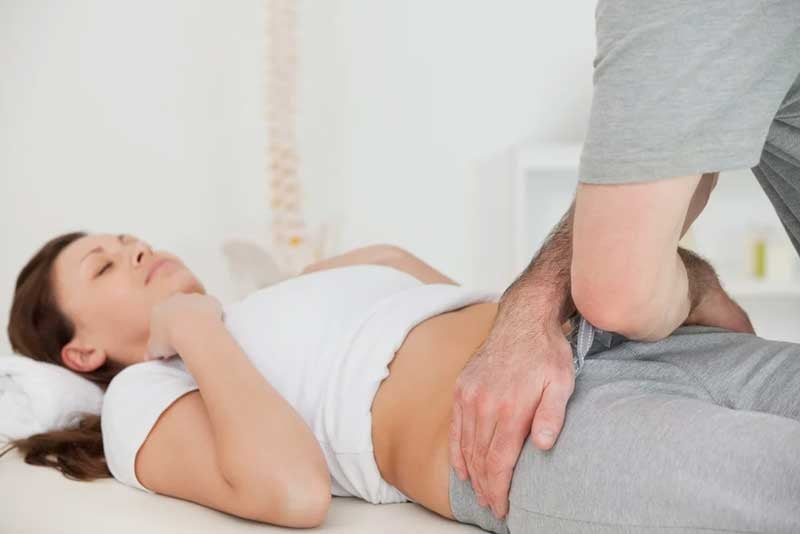
Joint Mobilizations
Joint mobilizations for hip mobility deficits alleviate stiffness, increase flexibility, and promote better function, aiding in symptom management.

Soft Tissue Massage
Soft tissue massage for hip pain can relieve muscle tension, improve blood flow, and alleviate discomfort by targeting tight muscles and fascia around the hip joint.
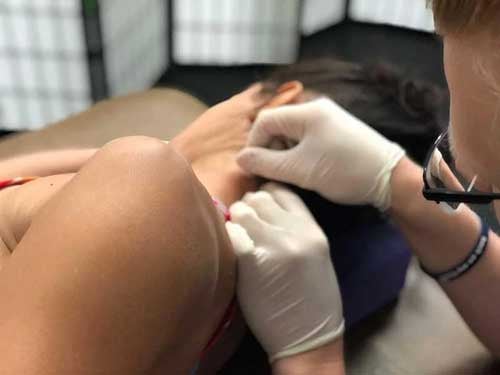
Dry Needling
Dry needling for hip pain uses thin needles inserted into muscles around the hip to help release tension, reduce pain, and improve mobility, offering a non-invasive approach to treatment.
Frequently Asked Questions About Physical Therapy for Hip Pain
Physical therapy can help patients with many hip-related problems, including femoroacetabular impingement, labral tears, hip dysplasia, snapping hip syndrome, piriformis syndrome, gluteal tendinopathy, trochanteric bursitis, and hip osteoarthritis. Treatment is designed to reduce pain, improve mobility, build strength, and help patients return to daily activity, exercise, and sport.
Yes. Femoroacetabular impingement, often called FAI or hip impingement, can cause groin pain, stiffness, pinching, or discomfort with sitting, squatting, walking, or exercise. Physical therapy may help by improving hip mobility, strengthening the muscles around the hip and pelvis, and modifying movements that irritate symptoms.
Physical therapy can often help patients with symptoms related to a hip labral tear. A labral tear may cause groin pain, clicking, catching, stiffness, or pain with rotation-based movements. Treatment may focus on improving hip control, reducing irritation, strengthening the glutes and core, and helping the patient return to activity safely.
Yes. Hip dysplasia can create instability, pain, stiffness, or difficulty tolerating activity. Physical therapy may help improve strength, control, and support around the hip joint. While physical therapy does not change the shape of the hip joint, it can often help improve function and reduce symptoms.
Yes. Snapping hip syndrome may cause a clicking, popping, or snapping sensation around the front, side, or back of the hip. Physical therapy can help identify whether muscle tightness, tendon irritation, weakness, or movement coordination is contributing to the snapping sensation and associated discomfort.
Physical therapy can help patients with piriformis syndrome, which may cause deep buttock pain and sometimes symptoms that travel down the back of the leg. Treatment may include mobility work, soft tissue techniques, hip strengthening, nerve mobility exercises when appropriate, and activity modification.
Yes. Gluteal tendinopathy is a common source of outer hip pain and may be aggravated by walking, stairs, lying on the affected side, or prolonged standing. Physical therapy typically focuses on progressive strengthening, improving hip and pelvic control, and reducing positions or activities that overload the irritated tendon.
Yes. Trochanteric bursitis, sometimes grouped with greater trochanteric pain syndrome, can cause pain on the outside of the hip. Physical therapy may help by addressing hip strength, movement mechanics, soft tissue irritation, walking tolerance, and activity modification to reduce stress on the painful area.
Physical therapy can be helpful for hip osteoarthritis by improving joint mobility, strength, balance, walking tolerance, and overall function. Treatment may include hands-on therapy, strengthening exercises, mobility work, and strategies to manage pain during daily activities.
You should consider physical therapy if hip pain is limiting your walking, sitting, exercise, sleep, or daily activities. You should also seek help if you notice groin pain, deep buttock pain, stiffness, clicking, popping, catching, limited range of motion, or pain that radiates toward the thigh or knee.
Physical therapy for hip pain may include joint mobilizations, soft tissue massage, dry needling, mobility exercises, strengthening, movement retraining, and a gradual return-to-activity plan. At Glackin Physiotherapy, treatment is individualized based on the patient’s symptoms, goals, and hip condition.
Physical Therapy for Hip Pain in Atlanta, GA
Delaying physical therapy for hip pain can worsen symptoms and lead to further complications, making it crucial to seek treatment as soon as possible.