Running is a passion for many, but it can also lead to injuries. Finding the right support is crucial.
A running physical therapist can be your best ally. They specialize in treating and preventing running-related injuries.
These experts help improve performance and ensure you stay on track. But how do you find the best one near you?
This guide will walk you through the process. Discover what to look for and how to choose the right professional.
With the right therapist, you can enhance your running journey and achieve your goals.
What Is a Running Physical Therapist?
A running physical therapist is a specialist in movement and injuries related to running. They understand the biomechanics of running and tailor treatment plans for runners.
These therapists focus specifically on the unique needs of runners. They help prevent injuries and enhance performance through specific exercises and techniques.
Here's what a running physical therapist does:
- Conducts thorough assessments of running form
- Develops personalized treatment plans
- Provides injury prevention strategies
- Offers advice on footwear and gear
They use their expertise to address both chronic and acute conditions. Whether you are a beginner or a seasoned marathoner, a running PT can support your goals.
Additionally, they can provide education on injury prevention. Their role is integral in optimizing a runner's health and performance. With their guidance, runners can achieve personal bests while minimizing injury risks.
Benefits of Running Physical Therapy
Running physical therapy offers numerous benefits for runners at any level. It plays a crucial role in improving performance and preventing injuries.
Firstly, tailored exercises enhance strength and flexibility. These exercises address specific muscle imbalances and weaknesses found in runners.
Here's how running physical therapy benefits runners:
- Improves gait and posture
- Enhances recovery times
- Reduces injury risk
- Increases running efficiency
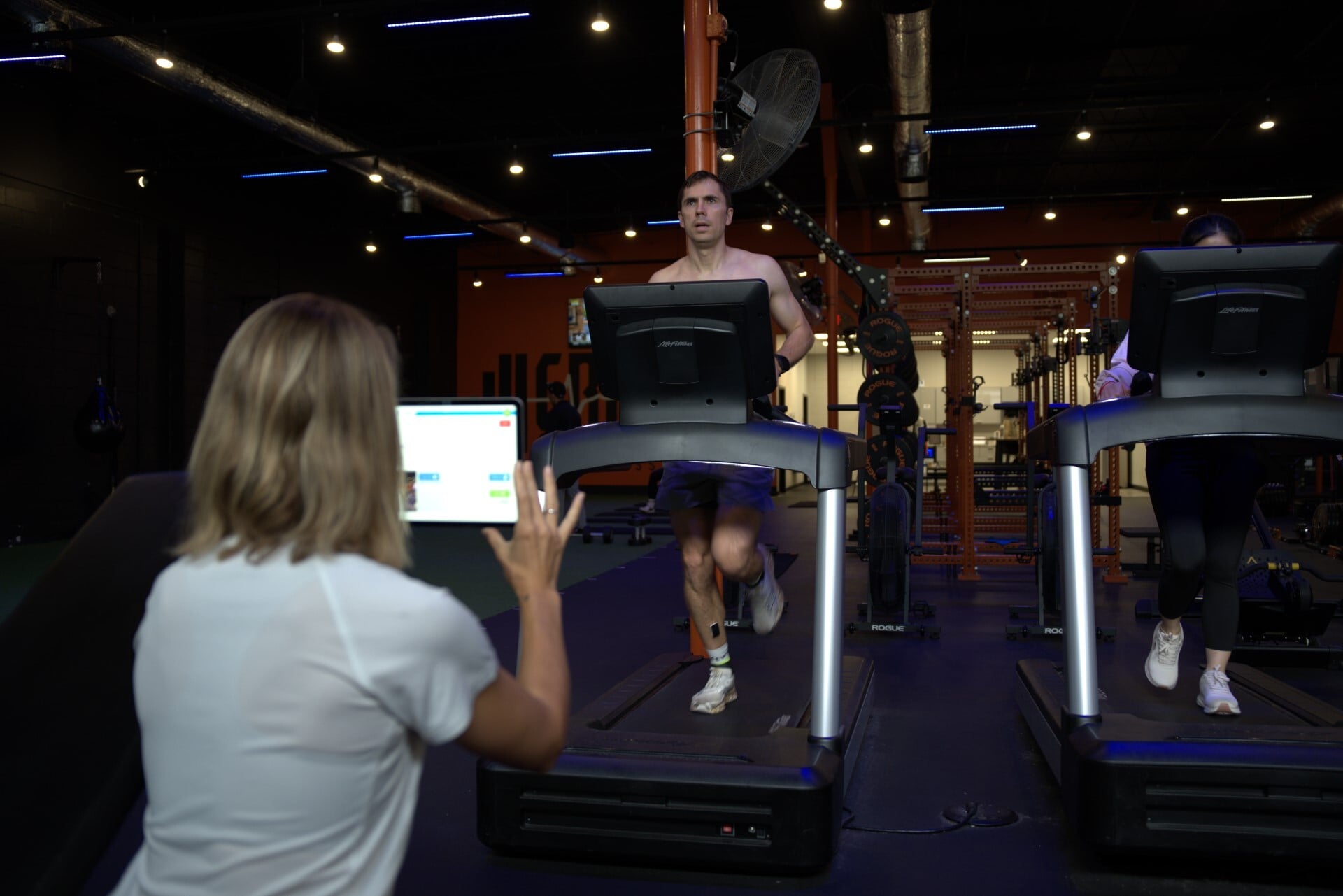
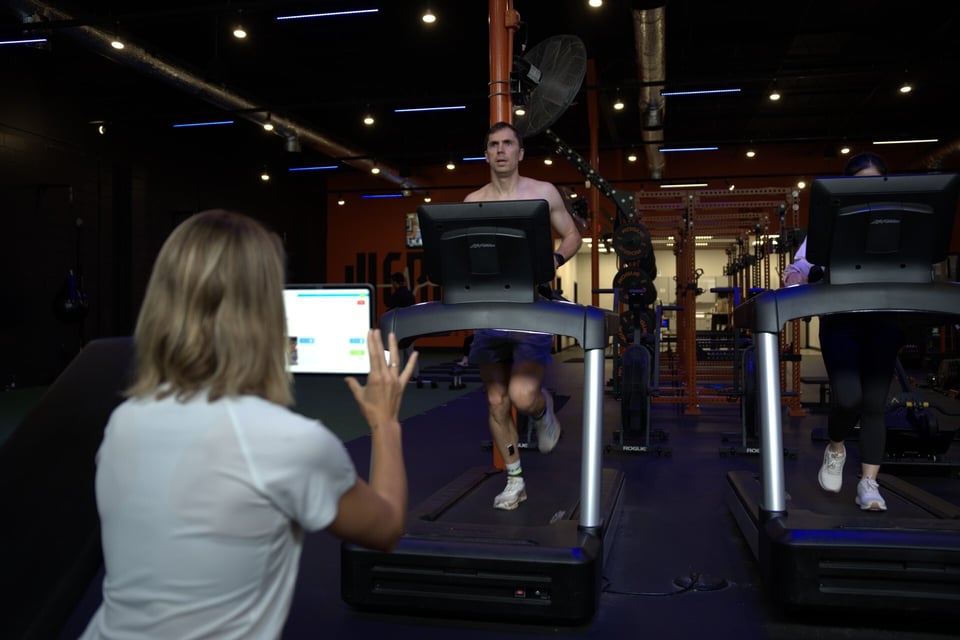
Therapists use techniques like video analysis to refine running form. This detailed approach helps identify issues not visible to the naked eye.
Furthermore, consistent therapy supports quick recovery from injuries. It equips runners with tools to manage pain and maintain fitness.
Additionally, running physical therapy provides holistic care by including nutrition advice and mental strategies. All these elements contribute to a well-rounded running experience. Investing in therapy equips runners with the knowledge and tools needed for a long and fulfilling running career.
Common Running Injuries Treated by Physical Therapists
Running can be tough on the body, often leading to injuries. Physical therapists specialize in addressing these issues for healthier runs.
Common running injuries include:
- Shin splints
- IT band syndrome
- Plantar fasciitis
- Runner’s knee

Shin splints manifest as pain along the shinbone. They often result from overuse or improper running form.
The IT band syndrome causes pain on the outer knee. It's common among runners who neglect stretching and strengthening.
Plantar fasciitis triggers heel pain, especially upon waking up. It stems from inflammation of the tissue connecting the heel bone to the toes.
Runner’s knee, or patellofemoral pain syndrome, causes discomfort around the kneecap. Inadequate muscle support typically contributes to this issue.
Addressing these injuries requires a blend of rest, targeted exercises, and expert guidance. Running physical therapists offer valuable insights to facilitate recovery and prevent recurrences.
Key Qualities to Look for in a Running Physical Therapist
Choosing the right running physical therapist is crucial for effective recovery. They should have expertise in treating running-specific injuries.
A key quality is their understanding of running biomechanics. This helps in assessing your running form to identify issues.
Look for these qualities in a running physical therapist:
- Specialized training in sports or running therapy
- Experience with running-related injuries
- Personalized treatment plans
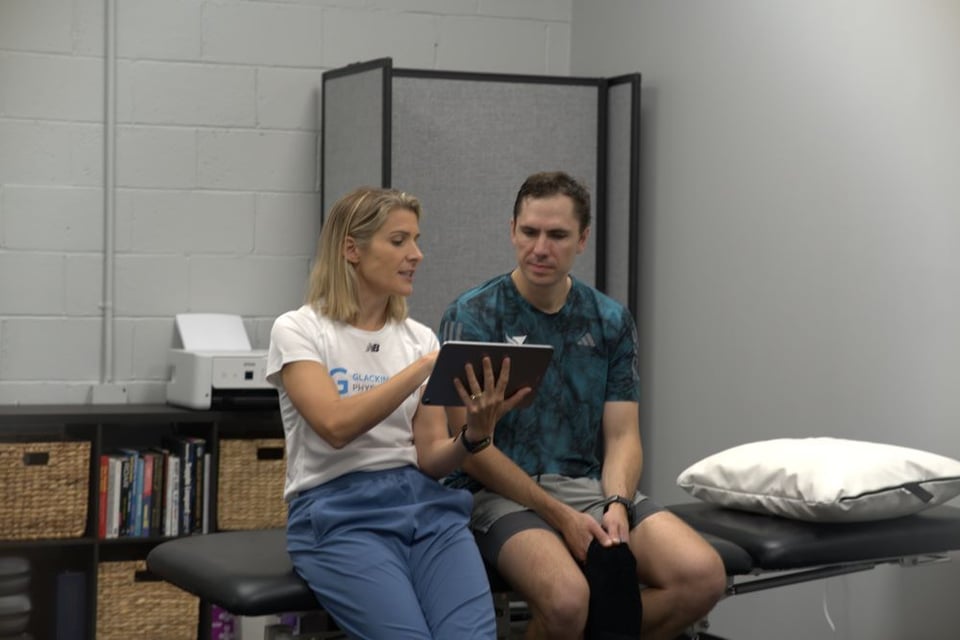
Moreover, consider if the therapist is a runner themselves. Such therapists may offer deeper insights into running challenges.
Communication skills are also vital. Your therapist should explain concepts and maintain open communication about your progress.
Lastly, verify their credentials and any certifications they hold. This ensures you receive care from a qualified and knowledgeable professional.
How Running Physical Therapy Differs from General PT
Running physical therapy focuses on runners' unique needs. It targets specific injuries and performance improvement in running athletes.
Unlike general physical therapy, running PT often includes gait analysis and biomechanical assessments. These help in identifying and correcting issues specific to runners.
Key differences include:
- Emphasis on running form and mechanics
- Tailored exercises for running performance
- Specialized knowledge in common running injuries
This specialization helps runners recover faster and return to running confidently, addressing not only symptoms but the underlying causes.
Assessment and Treatment Techniques Used by Running PTs
Running physical therapists employ various techniques to evaluate and treat runners. They often begin with a thorough assessment of your running form and biomechanics.
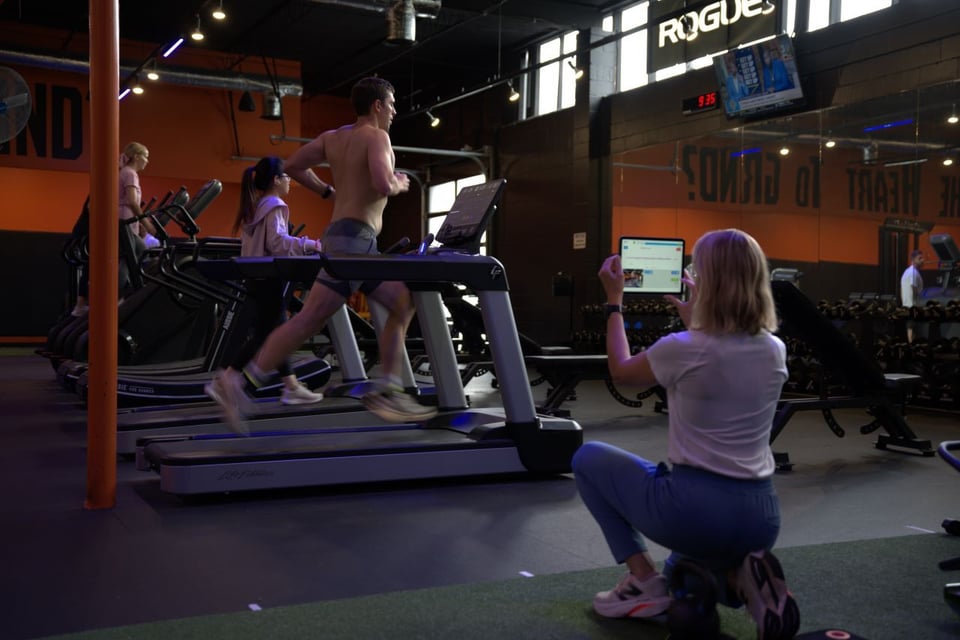
Commonly used techniques include gait analysis, where therapists use video tools to scrutinize your stride. This helps in pinpointing inefficiencies or abnormalities that can lead to injuries.
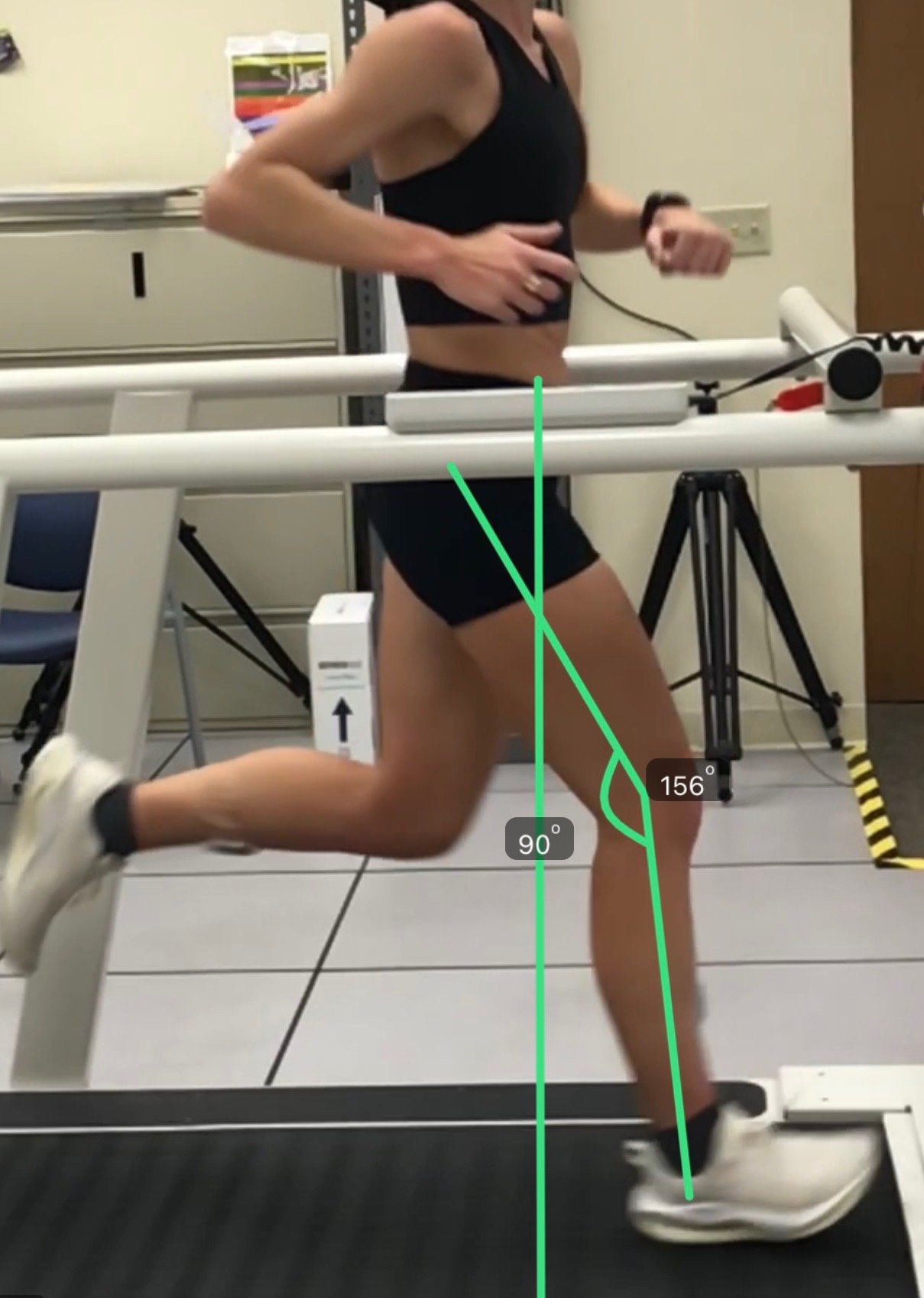
Treatment plans are customized according to your assessment results. Typical components include:
- Strength training for muscle imbalances
- Flexibility exercises to enhance range of motion
- Specific drills to refine running mechanics
Therapists may also integrate other modalities like dry needling or massage to alleviate pain and speed recovery. Their goal is not just to treat existing injuries but to prevent future ones, ensuring you can run efficiently and pain-free. Regular reassessments help track progress and adjust treatments as needed.
How to Find the Best Running Physical Therapist Near You
Finding a running physical therapist near you involves some research. Start by asking fellow runners for recommendations.
Online reviews can provide valuable insights into the experience and expertise of local therapists. Look for consistent positive feedback.
Consider therapists who have specific training in running-related injuries. Those who are runners themselves can offer a unique perspective.

Utilize online directories and professional associations to locate qualified therapists in your area. Some websites allow you to filter results based on specialization.
Here are steps to guide your search:
- Gather personal referrals and reviews
- Check therapists' credentials and experience
- Verify their specialization in running therapy
- Schedule initial consultations to assess compatibility
- Consider location and ease of access
You might also want to inquire about initial consultations to understand their approach. This conversation can be crucial in determining if their style aligns with your needs and goals. Aim for a therapist whose philosophy matches yours for optimal results in your running journey.
Questions to Ask Before Choosing a Running PT
When choosing a running PT, it's important to ask the right questions. These inquiries can help you gauge their competence and approach.
Begin by asking about their experience with running injuries. Experience in treating runners is crucial for effective therapy.
Here's a list of questions to consider:
- What experience do you have with running injuries?
- Are you a runner yourself?
- Do you use video analysis for gait assessment?
- What does a typical session entail?
- How do you tailor treatment plans?
Inquire about their treatment philosophy and techniques. Understanding their methods will ensure you're comfortable and aligned with their approach. Open communication with your potential therapist will enhance your therapy experience.
What to Expect During Your First Visit
Your first visit to a running physical therapist involves a comprehensive assessment. The therapist aims to understand your running habits and injury history.
Expect a detailed discussion about your running goals and any concerns. This helps the therapist craft a personalized plan for you.
During the session, they may conduct a physical examination and gait analysis. Here's what typically happens:
- Review of your medical and running history
- Biomechanical assessment of your running form
- Establishment of treatment goals
This initial consultation sets the foundation for a tailored treatment plan. Expect to leave with a clearer understanding of your path to recovery.
Tips for Getting the Most Out of Running Physical Therapy
Maximizing your time with a running physical therapist is important. Preparation and engagement can significantly influence your outcomes.
Be proactive in your sessions and communicate openly with your therapist. Share any changes or new discomforts you experience.
Commitment to the therapy process boosts results. Here are a few suggestions to consider:
- Attend sessions consistently and punctually
- Follow home exercise routines diligently
- Stay open-minded to feedback and adjustments
By staying engaged and active in your recovery process, you ensure a positive, productive therapy experience. Adapt and learn along the way for the best results.
Insurance, Costs, and Accessibility
Understanding the financial aspect of running physical therapy is essential for planning. Costs can vary widely based on location and the therapist's expertise.
It's important to check with your insurance provider about coverage options for physical therapy services. Some clinics offer flexible payment plans or sliding scale fees. Consider these tips:
- Verify insurance coverage for running PT
- Inquire about initial consultations or free trials
- Ask about discounts for package deals or loyalty programs
Accessibility can also impact your choice. Ensure the clinic is conveniently located to minimize travel time and maintain regular appointments.
Success Stories: Real Runners, Real Results
Many runners have found success with dedicated physical therapy. Their recovery stories are inspiring and provide hope to others.
For example, a marathon runner overcame chronic shin splints through targeted therapy. Consistent sessions improved her form and endurance significantly.
Another runner reduced knee pain and returned to competitive races. These successes illustrate the transformative impact of working with a skilled running physical therapist.
Conclusion: Investing in Your Running Journey
Running physical therapy offers substantial benefits for both prevention and recovery. Choosing the right therapist can enhance your running experience and longevity.
Investing time in finding a running physical therapist near you is crucial. This investment can lead to improved performance and reduced injury risk, making it a worthy addition to any runner's routine.